

The Duality of Summer
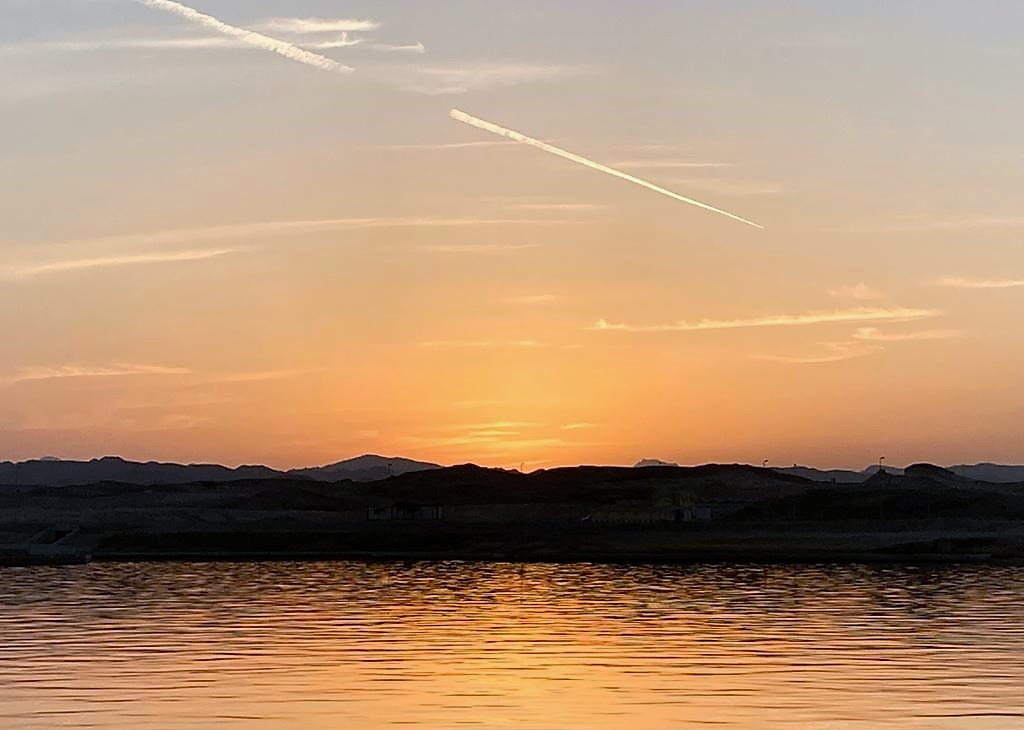
Author’s note: This was the introduction, by me (Louise Reeve) to our ‘Summer Miscellany’ service on 11 August 2024.
“I’ll be honest, I found this a difficult service to prepare. Normally, a Summer Miscellany is meant to be cheerful and happy, a time to celebrate the most fun time of the year, or at least what we often think of as the most cheerful time. But right now, our summer is troubled.
Many of us have a summer we especially remember. For me, it was 1992; I was eleven years old. It was a pretty normal summer, but it was that time when I was old enough to enjoy playing out with my best friends, the local library ran a project where we decorated the whole place as a rainforest, Dad took us to watch the rugby whenever we had a free Sunday, we picked blackberries and raspberries from the garden, the Scouts went camping, and the sun shone. We were old enough to have some autonomy, but not yet teenagers, and Mum and Dad were happy to let us have some freedom in the small village I grew up in.
And yet at the same time, underlying that summer, was that knowledge that lurks behind all summers. At some point, this will end. Sooner or later, autumn arrives. The weather is cold, the days darken. School starts again. For us, big school and teenagerdom beckoned. And underlying all of this was the big hit of the summer, ‘Hazard’ by Richard Marx. A beautiful and lyrical song, telling the tale of a young man who is unjustly blamed for the disappearance of Mary, his only friend, and has to leave the town of Hazard to escape everyone accusing him of her murder. Fun!
Summer, to me, has always had that duality, and especially now. This summer has been a strange one. For many of us, the general election delivered a result we had long hoped for Joy! Then three young girls were horribly killed by a maniac. The Olympics are happening and we’re winning medals! But the country is plagued by riots and violence, and my Black and Brown friends are traumatised and in fear for their safety. My friends are running an arts festival! But the entire town is shut down and people are boarding up shops, so no-one is going. When I tried to prepare this service, I kept hearing the song ‘Summertime’ in my head. A cheerful, happy song, famous among people of my age for soundtracking one of the most traumatising anti-drink-driving adverts of all time. (It aired in 1992, coincidentally enough.)
Last year in June Paul Walker led worship on ‘Revolutions’ commenting that a lot of revolutions happened in July, because in older times that could be the hungriest month. If the previous year’s harvest was bad, July was when the food started running out and the August harvest of grain, vegetables and fruit hadn’t yet arrived. You’ll notice we have a poem called ‘The Angry Summer’, which was a nickname given by soon to the year 1926, when Welsh miners went on strike for six-months; it was also known as the ‘summer of soups and speeches’. The American and French revolutions are marked by holidays in summer – Independence Day and Bastille Day – and ‘The Angry Summer’ was heard more recently, as a nickname for the fryingly-hot Australian summer of 2013-2014, when the country was devastated by incredibly hot weather and wildfires.
So, I couldn’t quite produce a completely happy Summer Miscellany, though I hope it’s not a depressing one either. I wanted to present the duality of summer; its wonder and underlying darkness, both true at once. Let’s hope that the recent stand our city, and others elsewhere in the UK, has made against racism and violence will be this summer’s lasting legacy.
